The Smart Creator's Guide to Buying Used Camera Gear Without Getting Burned
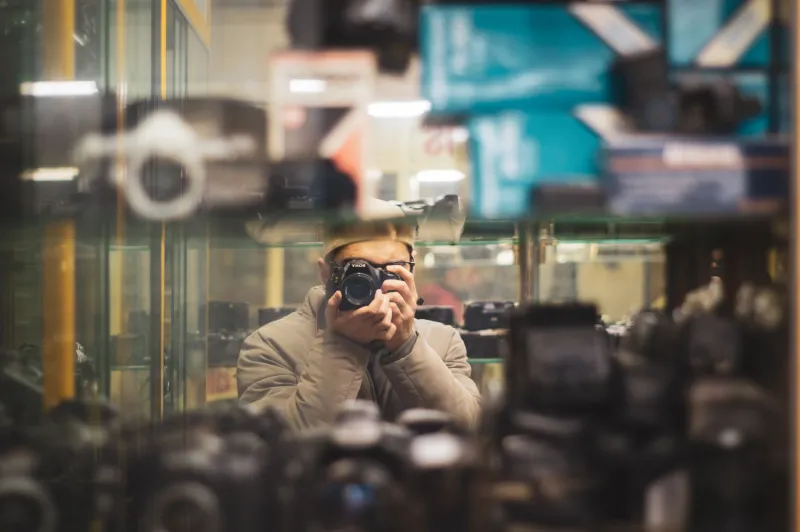
Used camera gear has never been more accessible. Between eBay, KEH, MPB, Facebook Marketplace, and local camera shops with trade-in programs, there's a massive secondary market for everything from entry-level mirrorless bodies to professional cinema lenses. And for creators working with real-world budgets, the savings can be significant — sometimes 30 to 50 percent off retail.
But the used market also has a dark side. Hidden wear, undisclosed damage, inflated prices on gear that's actually obsolete, and the occasional outright scam. Knowing how to navigate it is a skill worth developing, because the difference between a great deal and a money pit often comes down to asking the right questions before you buy.
What Actually Degrades in Camera Gear
Not everything wears out at the same rate, and understanding what does helps you prioritize what to inspect.
Shutter count is the big one for camera bodies. Every camera has a rated shutter life — typically somewhere between 100,000 and 500,000 actuations depending on the body. Consumer cameras sit at the lower end; professional bodies are built for the higher end. A used camera with 80,000 actuations on a body rated for 150,000 is a different proposition than one with 90,000 on a body rated for 100,000. You can check shutter count for free using tools like Camera Shutter Count or by uploading a JPEG to sites that read EXIF data.
Sensor wear is real but often overstated. Sensors themselves don't mechanically degrade from use the way shutters do. What you're more concerned about is sensor contamination (dust, oil from the shutter mechanism) and physical damage from drops or moisture. Ask for sample images and look carefully for spots or aberrations.
Lens glass is usually fine; the mechanics often aren't. The optics in a lens can last decades with minimal degradation. What fails is the aperture mechanism, autofocus motor, and image stabilization system. A lens with stiff or gritty focus ring is a warning sign. Aperture blades with oil contamination (visible as a slight haziness or slow blade movement) are a repair cost waiting to happen.
Electronic contacts corrode. Check the lens mount contacts and body contacts for corrosion or wear. Green or white residue on the contacts means moisture exposure somewhere in the camera's history.
The Warranty Gap — and Why It Matters
This is the single biggest financial risk in buying used gear that most creators underestimate. New gear comes with a manufacturer's warranty — typically one year in the US. Used gear, unless purchased through a certified reseller program like KEH or MPB that offers their own warranty, comes with nothing.
If a used camera body fails three months after purchase, you own that repair bill entirely. Camera repairs are not cheap. A shutter replacement on a mid-range mirrorless body can run $300-600 at an authorized service center. Sensor cleaning is $50-100. Autofocus calibration on a lens can be $75-150.
When you're evaluating the "savings" on a used purchase, mentally subtract a $300 repair buffer from the price. If the math still works, great. If it doesn't, that's useful information.
Platforms That Actually Protect You (And Ones That Don't)
Where you buy matters as much as what you buy.
KEH Camera is one of the most trusted used gear retailers in the US. They grade everything themselves, offer a return window, and stand behind their ratings. Their prices are slightly higher than private sales, but you're paying for accountability.
MPB operates similarly — they inspect, grade, and photograph every item, and they have a solid return policy. Good for bodies and lenses.
eBay can be fine, but you're relying on seller reputation and buyer protection policies. Stick to sellers with high feedback scores and read descriptions carefully. Look for actual photos of the specific item, not stock images.
Facebook Marketplace and Craigslist offer the best prices and the most risk. Cash transactions, no returns, and limited recourse if something goes wrong. Meet in a public place, bring a memory card and test the gear on the spot, and trust your instincts about the seller.
Local camera shops with used sections are underrated. You can inspect the gear in person, the shop has a reputation to protect, and many offer short return windows. Prices are usually fair and the selection is curated.
How to Evaluate a Used Body Before Buying
If you're buying in person or getting a seller to send you sample files, here's what to check:
- Shutter count — confirm it against the rated lifespan
- Sensor check — shoot a plain gray or white wall at f/11 or f/16 and look for dust spots
- Hot pixels — shoot a long exposure in a dark room and look for bright pixels that shouldn't be there
- Body cosmetics — scratches are cosmetic; dents near the lens mount or body seams suggest impact damage
- All buttons and dials — cycle through every control and confirm it registers
- Card slots and battery contacts — look for bent pins or corrosion
- Video recording — if you're buying for video, actually record a clip and check for overheating warnings, rolling shutter, or autofocus issues
When New Budget Gear Is Actually the Smarter Buy
Here's the honest part: used gear isn't always the right call. There are specific situations where a new budget option beats a used mid-range option.
If the used gear is more than two or three generations old, you may be buying into an ecosystem that's already being phased out. Accessories, batteries, and lenses may be getting harder to find or more expensive as supply dries up.
If you're new to shooting, a used camera with quirks or limitations can make the learning curve harder. A new entry-level body with a warranty and current firmware is often more practical than a used enthusiast body with a higher ceiling but more variables.
And if the price gap between used and new is less than 20 percent, the warranty alone usually tips the balance toward new.
Lenses Are Usually the Better Used Buy
If you're going to buy used gear, lenses are generally a safer bet than bodies. Glass doesn't have a shutter. There's no sensor. The mechanical wear points are fewer and easier to inspect visually. A well-maintained prime lens from a reputable brand can last decades and hold its value remarkably well.
This is especially true for manual focus vintage lenses, which have no electronics to fail and can be adapted to almost any modern camera system. Some of the best-looking footage being shot right now is going through glass that's forty years old.
The Bottom Line
The used market rewards informed buyers and punishes impulse purchases. Take the time to understand what you're evaluating, buy from platforms with accountability where possible, and always factor the warranty gap into your math. When you do that, used gear can be one of the best investments you make in your setup — letting you put professional-level glass or a capable body in your hands for a fraction of the new price.
Just don't let a good deal override your judgment. The best camera deal is the one that actually works when you need it.