Tripod, Gimbal, or In-Body Stabilization: Stop Guessing and Start Choosing the Right One
Walk into any creator's closet and you'll probably find at least one piece of stabilization gear that's been used maybe three times. A half-assembled tripod in the corner. A gimbal with a dead battery. A camera with IBIS that the owner forgot was even turned on.
Stabilization is one of those gear categories where people buy based on what looks impressive in YouTube reviews rather than what actually fits their shooting style. And that disconnect — between what you buy and how you actually shoot — is exactly why so much stabilization gear ends up collecting dust.
This isn't a spec sheet comparison. This is a practical breakdown of what each stabilization method actually does for different creator workflows, what it costs over time, and which one is most likely to pay for itself in saved time, fewer reshoots, and better content.
First, Why Stabilization Actually Matters for Your Output
Shaky footage doesn't just look amateur — it's physically uncomfortable to watch. The vestibular system in your brain tries to compensate for motion it sees on screen, which is part of why handheld-heavy footage causes viewer fatigue. For long-form content especially, that fatigue translates directly into shorter watch times.
But not all stabilization problems are equal. A vlogger walking through a city has completely different needs than someone doing a static product review. A filmmaker shooting a dramatic walk-and-talk needs something entirely different from a livestreamer who never moves the camera at all. Matching your stabilization method to your actual workflow is the whole game.
The Tripod: Underrated, Unglamorous, Irreplaceable
Let's start with the oldest tool in the kit, because it's also the most consistently undervalued one.
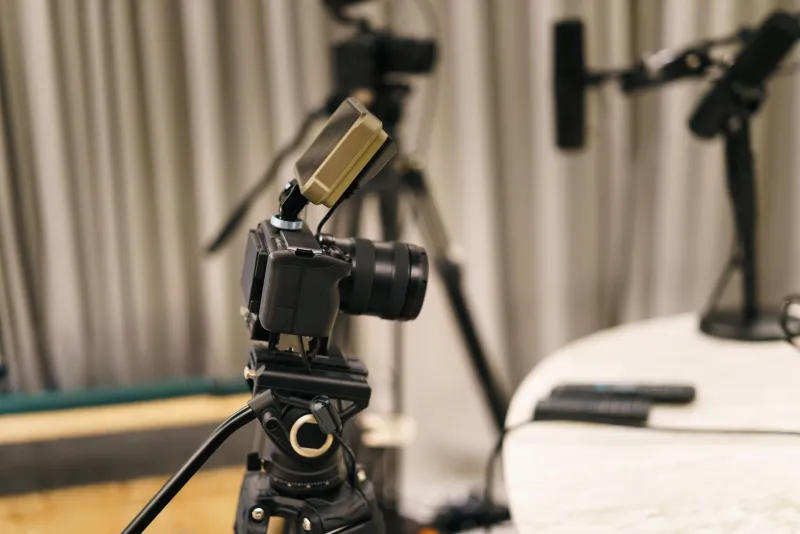
A quality tripod — we're talking something with a fluid head, not a $30 plastic disaster from a big-box store — is the single best stabilization investment for creators who shoot in controlled environments. Product reviewers, talking-head YouTubers, interview formats, tutorial creators: a good tripod is your backbone.
Real cost-per-use: A solid fluid-head tripod in the $150–$300 range (brands like Manfrotto, Joby, or Benro are popular in this space) used three times a week over two years works out to roughly $0.50–$1.00 per use. That's about as good as it gets in camera gear ROI.
Where it wins: Static shots, panning, consistency across a shoot, zero battery anxiety, zero calibration time. You set it up, you hit record, you get stable footage every time.
Where it loses: Anywhere you need to move. Tripods are physically incapable of following action, and even a smooth pan has a ceiling on how dynamic it can feel. For creators whose content lives and dies on energy and movement, a tripod can actually make things feel stiff and lifeless.
Workflow fit: YouTube product reviews, indoor tutorials, podcast-style content, livestreaming setups. If 80% of your shots are static or slow pans, a tripod is your highest-ROI purchase, full stop.
The Gimbal: The Most Overhyped and Underused Tool in Creator Gear
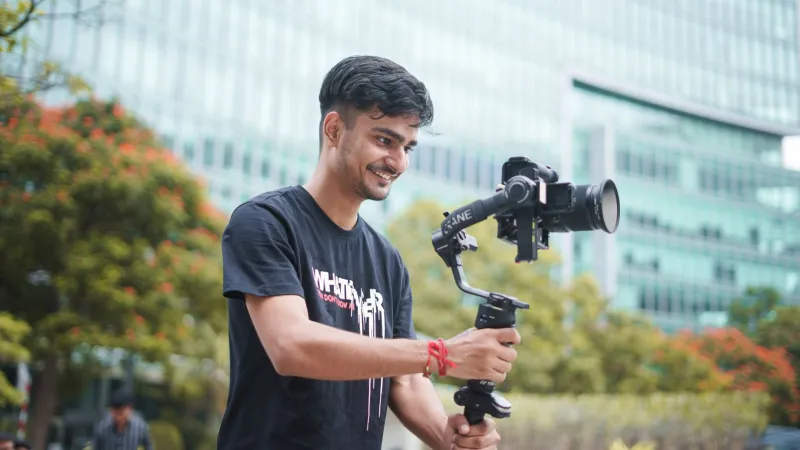
Gimbals are genuinely impressive technology. Three-axis motorized stabilization that lets you walk, run, and move through a scene while the camera stays locked — it's the kind of tool that makes footage look like it came from a production with a much bigger budget.
So why do so many of them end up unused?
Because gimbals require commitment. You have to charge them (usually 8–12 hours before a shoot). You have to balance your camera on them, which can take 10–20 minutes if you're switching lenses or adding accessories. You have to learn how to walk properly (the "ninja walk" is a real technique). And you have to actually be shooting the kind of content that benefits from fluid moving shots.
Real cost-per-use: A mid-range gimbal like the DJI RS 3 or the Zhiyun Crane M3 runs $200–$400. If you're a travel vlogger or a run-and-gun documentary-style creator who uses it on every shoot, that's fantastic value. If you buy it because it looked cool and use it four times a year, you've got expensive shelf decor.
Where it wins: Walking vlogs, travel content, cinematic short films, event coverage, any shot where camera movement is part of the storytelling. A gimbal transforms a walking interview from shaky mess to polished production.
Where it loses: Quick-turnaround shoots where setup time matters. Tight indoor spaces. Any situation where you need to go handheld fast and don't have time to balance.
Workflow fit: Travel creators, vloggers with outdoor content, filmmakers shooting narrative or branded content. If movement is part of your visual identity, a gimbal pays for itself in the first few shoots it saves from the trash bin.
In-Body Image Stabilization (IBIS): The Invisible Upgrade
IBIS is the stabilization method people forget about most often — probably because it doesn't feel like a purchase decision in the same way. It's baked into the camera body itself, and for many creators, it's doing quiet, consistent work every single shoot.
Modern IBIS systems — especially in cameras from Sony, Fujifilm, and OM System — are genuinely impressive. Some systems offer 5–8 stops of stabilization, which means handheld shots that would have been unusable a few years ago now look intentional and controlled.
Real cost-per-use: This is where it gets interesting. You're not buying IBIS separately — it's a feature you're factoring into a camera body purchase. If you're choosing between two cameras at similar price points and one has IBIS, the value proposition is clear. But if you're spending an extra $400–$600 to upgrade to a body specifically for IBIS, you need to honestly assess how often you shoot handheld.
Where it wins: Spontaneous shooting. Run-and-gun situations where you can't set up a tripod or gimbal. Casual handheld shots that need to look cleaner than raw handheld. B-roll. IBIS is always on, always working, and requires zero setup time.
Where it loses: IBIS has limits. It handles small movements and vibrations beautifully, but it won't smooth out a full walking sequence the way a gimbal will. It's also less effective at longer focal lengths, and it can sometimes create an unnatural "floaty" look if you're not careful.
Workflow fit: Documentary-style creators, event videographers, anyone who needs to move fast and can't afford to miss a moment. IBIS is the best backup stabilization system you'll ever have.
The Honest Answer: You Probably Need Two of These
Here's the take most gear guides won't give you: for most working creators, the optimal setup is a tripod plus either a gimbal or a camera with solid IBIS — not all three, and not just one.
If your content is 70% static and 30% moving, invest seriously in a fluid-head tripod and get a camera with decent IBIS for the handheld moments. If your content is 70% moving and 30% static, a gimbal and a cheap-but-solid travel tripod covers you well.
The creators who end up with all three and use none of them effectively are usually the ones who bought gear before they understood their own workflow. Know how you actually shoot. Then buy the tool that solves the problem you actually have.
Quick Reference: Which Stabilization Fits Your Content Type
- YouTube tutorials / product reviews: Tripod. Every time.
- Travel vlogs / outdoor walking content: Gimbal.
- Livestreaming: Tripod (or a dedicated camera mount).
- Cinematic shorts / narrative video: Gimbal + IBIS combo for maximum flexibility.
- Event coverage / weddings / news-style: IBIS camera + lightweight tripod as backup.
- Social media / fast-turnaround content: IBIS. No setup time, no excuses.
Stabilization gear should make your shooting faster and your output better. If it's doing neither, you've got the wrong tool for your workflow — and now you know how to fix that.